
Home » Alle berichten » Business » Building a resilient plumbing business strategy that drives long-term growth
Building a resilient plumbing business strategy that drives long-term growth
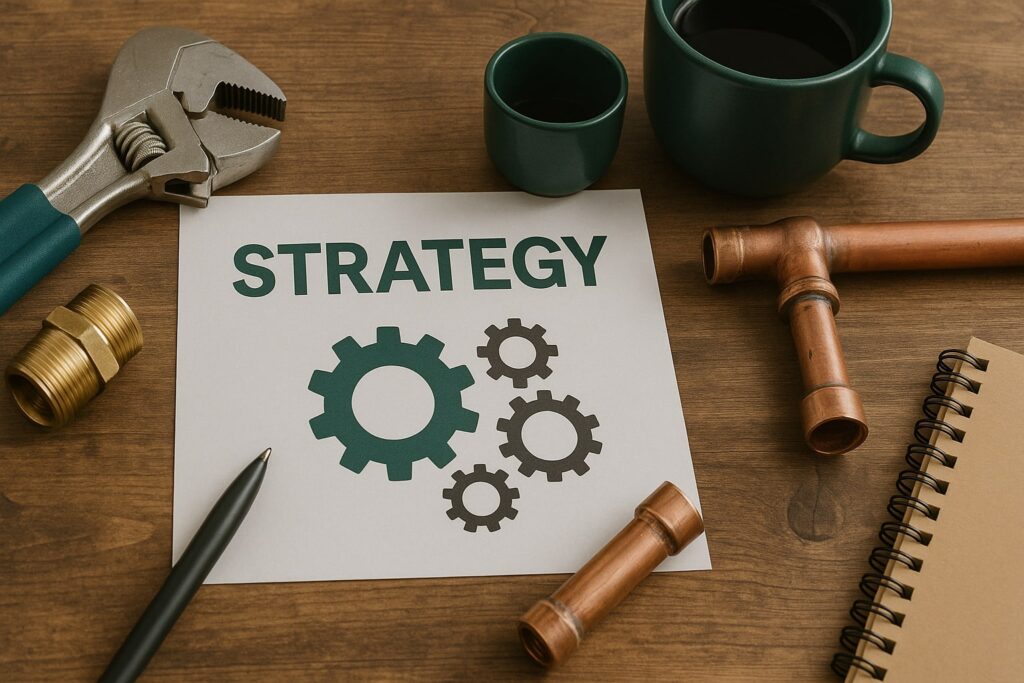
A well-designed plumbing business strategy is more than a plan for getting more customers. It’s a structured approach to building a predictable, efficient and profitable operation that consistently improves over time. Whether you’re dealing with seasonal fluctuations, rising material costs or the challenge of scaling a technical workforce, a strong strategy provides clarity. In this guide, you’ll learn practical methods, unique insights and deeper layers of planning that help plumbing companies differentiate themselves. TheGrowthIndex.com often emphasizes the power of strategic thinking, and this industry is no exception.
In short:
A plumbing business strategy must balance operations, marketing, workforce planning and customer experience.
Systemizing daily tasks reduces errors and increases profitability.
Strong branding and targeted marketing bring higher-value customers.
Workforce development is essential for long-term growth.
Data-driven decisions make your business more predictable and scalable.
Why a plumbing business strategy matters more than most owners realize
Many plumbing companies operate reactively, responding to calls as they come in. While this keeps the business running, it prevents long-term growth. A well-crafted plumbing business strategy shifts your mindset from daily survival to structured scaling. Instead of relying on occasional busy seasons, you create systems, repeatable workflows and predictable revenue streams.
A strategy also reduces the impact of market fluctuations. Plumbing services are always needed, but customer behavior changes. When you plan for these shifts, you position your company to stay ahead of competitors rather than chasing the market.
Core elements every plumbing business strategy should include
A strong strategy rests on several pillars: operations, marketing, workforce, customer experience and financial planning. Without addressing each one, your growth potential becomes limited. These pillars work together, ensuring you don’t create bottlenecks in one area while upgrading another.
The most successful plumbing businesses don’t focus only on advertising or new tools. They build internal systems that make every team member more effective. Your strategy is the blueprint for turning daily work into scalable processes.
Also interesting


Operational systemization for a stronger plumbing business strategy
Operational discipline is the backbone of a plumbing company. Standardizing your workflows ensures consistency, reduces miscommunication and helps technicians complete jobs faster and more accurately.
Document your procedures for common tasks such as leak detection, fixture installation and drain clearing. Clear documentation reduces confusion and shortens onboarding time. When your technicians follow the same approach, you minimize mistakes and increase customer satisfaction.
Systemization also helps you diagnose operational weaknesses. If the same problem occurs repeatedly, you know it’s time to refine the SOP instead of blaming individual performance.
Marketing within your plumbing business strategy: going beyond local advertising
Most plumbing businesses rely heavily on local search results, paid directories or referral networks. While these are useful, they limit your potential if you never extend beyond them. A modern plumbing business strategy makes space for content marketing, customer education and brand positioning.
When you educate customers—through videos, blogs or maintenance guides—you build trust before they need your service. This makes you top-of-mind when emergencies occur. Combining education with targeted digital advertising amplifies your visibility and attracts customers who value expertise.
TheGrowthIndex.com highlights that strong brands outperform transactional businesses, even in service-based industries. Branding creates long-term loyalty, not just short-term bookings.
Building strong service bundles as part of your plumbing business strategy
Service bundling allows you to increase average order value while meeting more customer needs. For example, pairing water heater maintenance with a whole-house plumbing inspection provides immediate and future value. Customers appreciate proactive packages, and your business benefits from more predictable revenue.
Bundles also simplify your marketing efforts. Rather than advertising dozens of services, you promote strategic packages that solve common customer problems. This reduces decision fatigue and helps customers choose faster.
Bundles also give you an edge during slower seasons. Maintenance packages provide steady work and keep your team engaged.
Step-by-step guide for creating a plumbing business strategy that works
A step-by-step structure makes it easier to build a strategy that fits your business, regardless of size.
Step 1: Document your current workflow
Write down everything from how calls are received to how invoices are handled. Many companies discover inefficiencies only once they see the full process documented.
Step 2: Identify your highest-value services
Not all jobs are equally profitable. Determine which services bring strong margins, repeat demand or long-term trust. Prioritizing them ensures you grow in the right direction.
Step 3: Define your natural customer base
Look at location, property type and common plumbing issues. Patterns help refine your marketing so you target the right neighborhoods and demographics.
Step 4: Standardize tools and techniques
When every technician uses the same materials and methods, your brand experience becomes consistent. It also reduces training complexity.
Step 5: Build a seasonal capacity plan
Plumbing demand changes throughout the year. Planning ahead prevents technical overload during busy months and helps you retain talent during slower times.
Step 6: Integrate financial projections
Use historical data to forecast revenue, expenses and required staffing. This is the piece owners often overlook—but it drives sustainable scaling.
"Consistency is what transforms small improvements into long-term advantage."
Workforce development as a foundation of your plumbing business strategy
A plumbing business grows only as quickly as its workforce. Skilled technicians are in high demand, and retaining them is crucial. Competitive pay is important, but so is a clear path for development.
Training programs increase productivity and reduce callbacks. When your technicians feel supported, they deliver better customer experiences. A well-structured plumbing business strategy includes onboarding plans, mentorship systems and opportunities for advancement.
Culture matters as much as technical expertise. If technicians feel part of a strong team, they stay longer—and customers see the difference.
Customer experience as a strategic advantage in your plumbing business strategy
Customer experience is often overlooked, but it has a significant impact on long-term revenue. Plumbing issues are stressful, meaning customers remember both the quality of the work and how they were treated.
Speed, clarity and professionalism build trust. Offering real-time updates, transparent pricing and predictable scheduling sets your business apart. When customers feel informed, they are more likely to recommend your company.
This type of experience becomes a competitive moat. Many companies reach success because their customer service is memorable, not because their service list is unique.
Leveraging data and metrics to support your plumbing business strategy
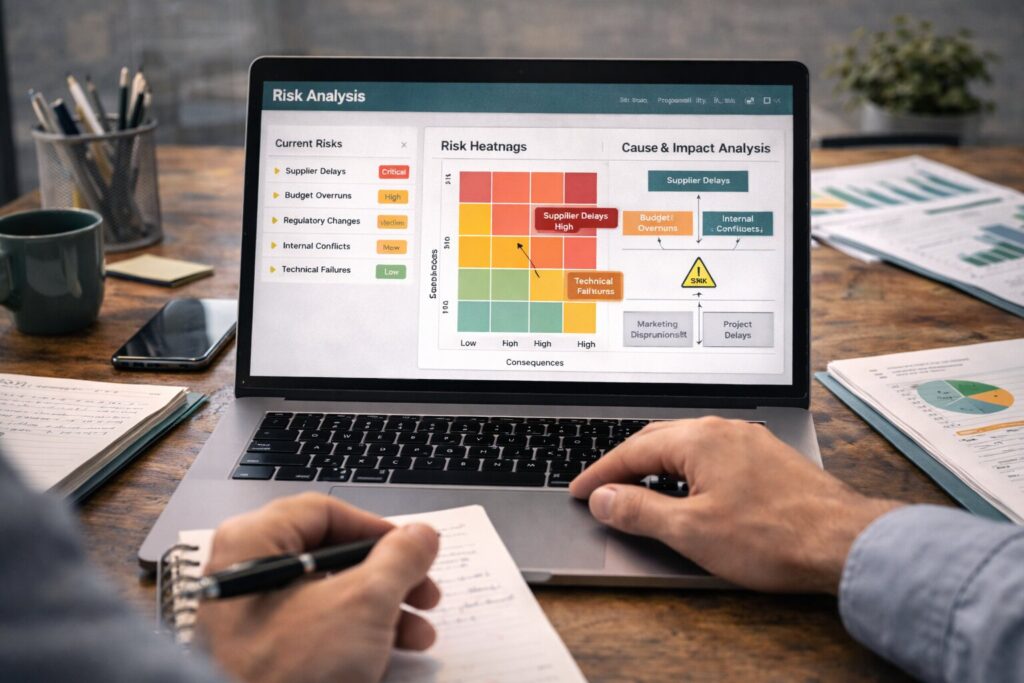
Data-driven decisions help you avoid emotional or reactive choices. Track metrics like average job duration, customer acquisition cost, technician productivity and repeat service requests. These metrics reveal long-term trends and guide operational improvements.
A plumbing business strategy that incorporates data becomes more predictable. You make smarter staffing decisions, choose marketing channels that actually work and identify which services are worth expanding.
Predictability, as TheGrowthIndex.com often emphasizes, is the foundation of scaling any business.
Also interesting



Pricing strategy as part of your plumbing business strategy
Pricing is not just about covering costs; it’s about communicating value. When you position yourself as a premium service, your pricing must reflect reliability, expertise and customer care. If you race to the bottom, you compromise your ability to invest in tools, training and marketing.
Your pricing strategy should consider market standards, operational costs and the long-term value you bring. Communicate clearly why your price structure makes sense. Customers appreciate transparency when the stakes are high.
Technology and automation in your plumbing business strategy
Technology streamlines operations, improves service quality and increases profitability. Dispatching tools, mobile invoicing, automated reminders and customer portals reduce manual work. Automation also reduces missed appointments and improves communication with customers.
Tools do not replace technicians—they amplify their efficiency. When your strategy includes technology, your business becomes more scalable and less dependent on constant oversight.
Strengthening your plumbing business strategy through partnerships
Partnerships with construction firms, property managers, real estate agencies and home service brands fuel consistent growth. These partnerships deliver long-term work that reduces your reliance on small one-off jobs.
Partnerships also create credibility. When reputable organizations trust your service, potential customers do too. Nurturing these relationships should be part of any long-term plumbing business strategy.
Elevating your long-term success with a solid plumbing business strategy
A plumbing business strategy is more than a planning exercise—it’s an ongoing system that supports growth. When you combine strong operations, strategic marketing, workforce development and customer experience, you create a company that remains competitive throughout changing market cycles. TheGrowthIndex.com emphasizes that structure doesn’t limit creativity; it enables it by giving you control over the unpredictable nature of service work.

Lina Mercer
Lina Mercer is a technology writer and strategic advisor with a passion for helping founders and professionals understand the forces shaping modern growth. She blends experience from the SaaS industry with a strong editorial background, making complex innovations accessible without losing depth. On TheGrowthIndex.com, Lina covers topics such as business intelligence, AI adoption, digital transformation, and the habits that enable sustainable long-term growth.