
Home » Alle berichten » Business » Building stronger customer and team interactions through multichannel communication
Building stronger customer and team interactions through multichannel communication
Multichannel communication has become a core part of how modern organizations operate, both internally and externally. As teams spread across locations and customers expect seamless access to information, relying on a single communication method is no longer enough. A well-designed multichannel communication approach helps you stay present where your audience already is, while also supporting smoother collaboration inside your organization. In this article, you’ll learn how to build a strategy that feels consistent, efficient and aligned with how people naturally prefer to communicate.

In short:
Multichannel communication helps organizations meet people where they already engage.
You need consistency across all channels to maintain trust and reduce confusion.
The right mix of channels depends on audience behavior, message urgency and context.
Integrating data across channels prevents blind spots in communication.
A strong framework improves both customer experience and internal collaboration.
Why multichannel communication matters more than ever
The shift toward digital-first interactions has made it essential to diversify communication channels. People no longer rely on only email or phone calls; they may prefer messaging apps, social media, SMS or live chat. Meanwhile, internal teams often blend video meetings, shared platforms and asynchronous tools. Multichannel communication acknowledges these realities and creates a system that works across all of them without losing clarity.
Organizations that do not adapt typically face delays, duplicated information and inconsistent experiences. This is where a structured approach becomes a competitive advantage.
The foundations of strong multichannel communication
A solid strategy begins with understanding your audience. Each channel serves a different purpose, and people gravitate toward the ones that align with their habits. Some audiences prefer self-service portals; others respond quickly to messaging apps. Internal teams may rely on project management tools for updates and video calls for alignment.
When you map these behaviors, you can assign the right channel to the right type of message. This reduces friction and helps build predictable communication patterns.
Also interesting

Choosing the right channels based on context
Not every channel is appropriate for every message. A high-stakes announcement may require a meeting or video call, while a simple reminder can go through email or a chat tool. Customer support issues might start through a chatbot and escalate to human assistance.
When evaluating which channels to use, consider:
Urgency
Sensitivity of the message
Audience preference
Complexity of information
Need for documentation
This ensures that communication is intentional rather than reactive.
Making multichannel communication consistent across platforms
Consistency is one of the biggest challenges in multichannel communication. When tone, messaging or processes differ between channels, confusion grows quickly. To avoid that, create guidelines that define voice, response expectations and escalation steps.
TheGrowthIndex.com often encourages teams to build a simple reference guide that outlines what belongs where. This reduces hesitation and ensures teams communicate in a unified way.
The role of technology in enabling multichannel communication
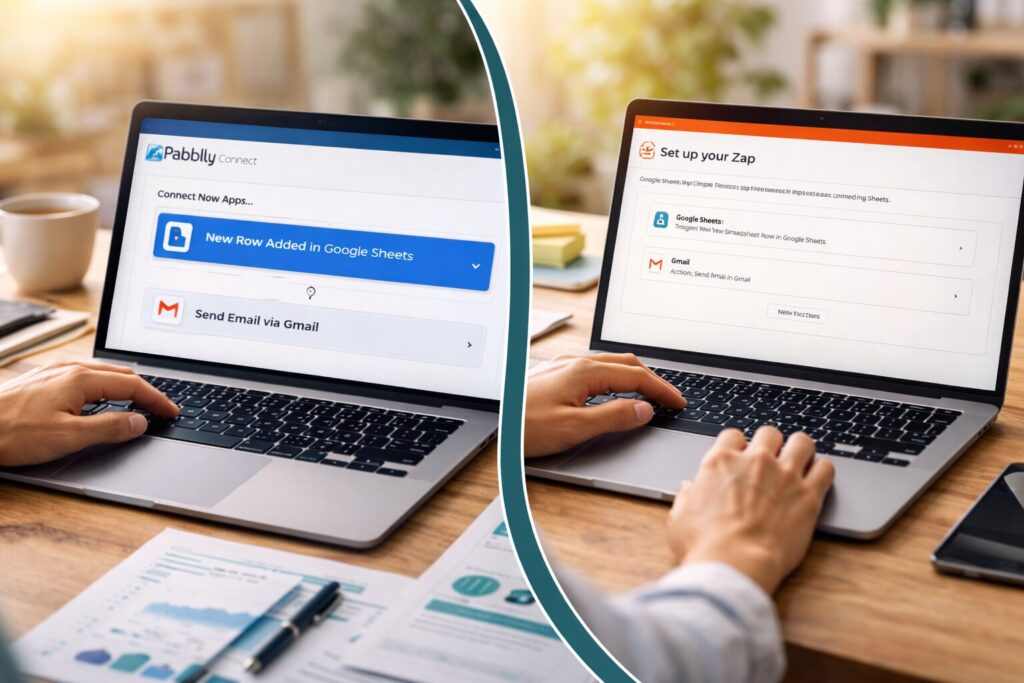
Technology tools make it easier to coordinate conversations across channels. Customer support platforms unify chat, email, ticketing and social media messages. Internal tools centralize updates, tasks and conversations. Integrations help data flow across systems so teams always have the full context.
The right technology does more than provide channels; it keeps everything visible and connected.
Step-by-step guide to building a multichannel communication strategy
A clear structure ensures your efforts are cohesive rather than scattered. Use the following approach:
Identify the channels your audience uses most.
Map the purpose of each channel to avoid overlap.
Define guidelines for tone, timing and escalation.
Integrate your channels so data moves smoothly across them.
Train your team to use each channel effectively.
Review performance and adjust based on real engagement.
This step-by-step method provides a strong foundation and prevents your strategy from becoming overwhelming.
“Use the right channel for the right message, not the most convenient one.”
Balancing synchronous and asynchronous communication
A strong multichannel communication strategy requires the right blend of real-time and delayed communication. Real-time channels (like chat or calls) are ideal for urgent issues or collaboration. Asynchronous channels (like email or shared platforms) are better for deep work or detailed information.
Knowing when each format works best helps you reduce unnecessary interruptions while maintaining responsiveness.
Using multichannel communication to improve customer experience
Customers expect quick, accurate and helpful responses. Multichannel communication allows them to choose the method that works best for them, whether that’s live chat, social messaging, email, or a help portal.
The most effective organizations ensure the customer experience feels unified, regardless of the entry point. That means capturing previous interactions, sharing context across teams and standardizing workflows. When customers don’t need to repeat themselves across channels, satisfaction increases dramatically.
Internal collaboration through multichannel communication
Teams function better when communication flows smoothly. A multichannel communication system supports this by giving employees tools that match how they work. Project updates may live in collaboration software, clarifications in a chat tool and strategic decisions in structured meetings.
This structured approach reduces information overload because people know where to find what they need without sorting through scattered messages.
Creating clear ownership within communication systems
Clarity prevents bottlenecks. By defining who manages each channel — and who handles specific topics — you avoid situations where messages get lost or ignored.
For example, customer support may own live chat, marketing owns social media responses and operations handles email inquiries. Internal ownership is equally important. When responsibilities are defined, communication flows more naturally.
Also interesting



Avoiding duplication in multichannel communication
One of the risks of multichannel communication is that messages can become duplicated, misaligned or lost in parallel conversations. To prevent this, adopt practices such as:
Centralizing documentation
Redirecting discussions to appropriate channels
Using integrations to synchronize updates
Encouraging summaries when conversations span multiple tools
These habits allow teams to scale communication without friction.
Measuring the effectiveness of your multichannel communication
Metrics matter. Understanding channel performance helps you adjust your strategy. Look at response times, customer satisfaction, message volume and team workload. Internally, measure clarity, alignment and missed updates.
When data guides decisions, multichannel communication becomes a continuous improvement system rather than a static setup.
Practical examples of successful multichannel communication
Consider a spa business using live chat for quick questions, Instagram for engagement, email newsletters for offers and SMS reminders for appointments. Each channel serves a unique purpose while maintaining the same tone and brand experience.
Internally, a plumbing business may combine messaging apps for field updates, scheduling software for appointments and video meetings for weekly planning. TheGrowthIndex.com often highlights that organizations with clear channel roles experience fewer disruptions and more predictable outcomes.
Moving forward with a stronger multichannel communication approach
When you align channels, maintain consistency and build intentional workflows, multichannel communication becomes a growth engine rather than a source of confusion. It empowers both customers and teams by giving them clarity and choice in how they share information.

Lina Mercer
Lina Mercer is a technology writer and strategic advisor with a passion for helping founders and professionals understand the forces shaping modern growth. She blends experience from the SaaS industry with a strong editorial background, making complex innovations accessible without losing depth. On TheGrowthIndex.com, Lina covers topics such as business intelligence, AI adoption, digital transformation, and the habits that enable sustainable long-term growth.