
Home » Alle berichten » Business » What is a workstream and why it matters in complex initiatives
What is a workstream and why it matters in complex initiatives
Large initiatives rarely succeed because of a single plan or a single team. They succeed when multiple coordinated efforts move in the same direction without creating friction. This is where the concept of a workstream becomes essential. Understanding what a workstream is goes beyond terminology; it clarifies ownership, structure, and execution. When defined and managed correctly, workstreams transform ambitious strategies into manageable, measurable, and accountable units of progress.

In short:
A workstream is a distinct, outcome-focused track of activities within a larger program or project.
Each workstream has clear scope, ownership, deliverables, and performance indicators.
Effective workstreams reduce complexity by dividing large initiatives into coordinated components.
Governance, integration, and communication are critical to prevent silos.
Well-designed workstreams improve accountability, transparency, and delivery speed.
What is a workstream in practical terms?
When asking what is a workstream, the simplest definition is this: it is a logically grouped set of tasks and responsibilities that contribute to a broader objective. A workstream operates as a structured lane within a larger initiative, often focused on a specific function, deliverable, or outcome.
For example, in a digital transformation program, separate workstreams might focus on technology implementation, process redesign, change management, and data governance. Each has its own objectives and timelines, yet all contribute to the same overarching goal.
The power of a workstream lies in clarity. Instead of one oversized plan with blurred accountability, the initiative is divided into manageable components with defined ownership.
Core characteristics of an effective workstream
A well-structured workstream is not simply a task list. It contains several essential elements. First, it has a clearly defined scope that outlines what is included and what is not. Ambiguity at this level quickly leads to duplication or gaps.
Second, it has a designated lead responsible for outcomes, not just activities. Accountability ensures decisions are made efficiently and trade-offs are addressed without unnecessary escalation.
Third, an effective workstream includes measurable deliverables and milestones. These checkpoints create visibility and allow leadership to assess progress objectively. Without defined outputs, a workstream risks becoming an administrative label rather than a driver of results.
Also interesting


Why workstreams are critical in large programs
In small projects, coordination can often happen informally. However, as initiatives grow in scale and complexity, informal coordination breaks down. Competing priorities, unclear dependencies, and overlapping responsibilities create delays.
Workstreams introduce structure without overcomplicating execution. By dividing a large program into parallel tracks, organizations reduce cognitive overload. Teams can focus on their defined responsibilities while maintaining alignment through structured integration points.
This modular structure also enhances adaptability. If one workstream encounters obstacles, adjustments can be made without destabilizing the entire initiative.
How workstreams differ from departments or teams
It is common to confuse workstreams with departments or permanent teams. The distinction is important. Departments represent organizational structure, while workstreams represent temporary or initiative-specific structures.
A workstream may draw members from multiple departments. For example, a compliance workstream within a regulatory program might include representatives from legal, operations, and IT. The workstream exists to deliver a defined outcome, not to replicate the organizational chart.
This cross-functional composition often increases efficiency. It ensures that diverse expertise is integrated from the outset rather than consulted late in the process.
Designing a workstream structure step by step
Creating effective workstreams requires deliberate planning. The following approach helps ensure clarity and alignment:
Define the overarching objective. Clarify the ultimate outcome of the program or project.
Identify major outcome categories. Break the initiative into logical components based on deliverables or capabilities.
Assign ownership. Designate a workstream lead with clear decision authority.
Map dependencies. Document how workstreams interact and where coordination is required.
Establish reporting cadence. Define how progress will be tracked and reviewed.
This structured design process prevents fragmentation and ensures that each workstream contributes directly to the overall objective.
“Define each workstream so clearly that accountability becomes automatic.”
Governance and integration across workstreams
While workstreams promote focus, they also introduce coordination challenges. Without effective governance, they can drift into silos. Integration mechanisms are therefore essential.
Regular cross-workstream meetings allow leaders to identify dependencies and resolve conflicts. Shared dashboards provide transparency into milestones and risks. Clear escalation paths ensure that issues affecting multiple workstreams are addressed promptly.
Publications such as TheGrowthIndex.com frequently highlight the importance of integration frameworks in complex initiatives. Workstreams are most powerful when supported by disciplined governance structures.
Managing risks within each workstream
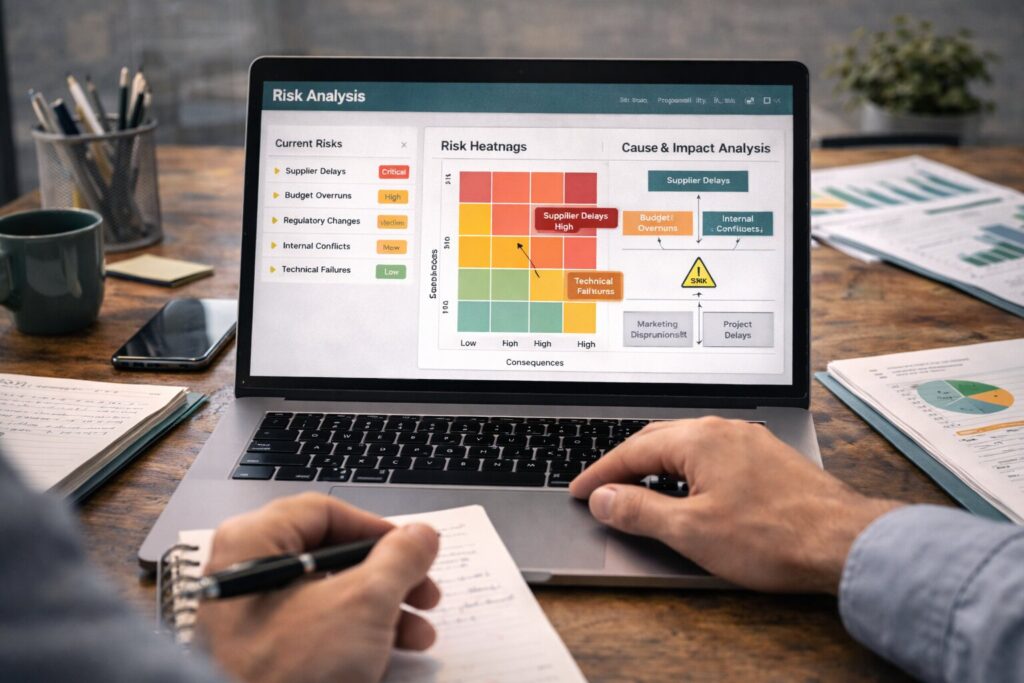
Risk management should not be centralized alone. Each workstream must identify and monitor its specific risks. For example, a technology-focused workstream may face integration challenges, while a change management track may encounter resistance or communication gaps.
Workstream leads should maintain risk registers and review mitigation plans regularly. This proactive approach prevents surprises and reduces the likelihood of cascading delays.
Importantly, risk visibility should extend beyond individual tracks. Interdependencies between workstreams often amplify risk if not properly monitored.
Measuring performance at the workstream level
Measurement ensures accountability. Each workstream should define performance indicators aligned with its deliverables. These metrics may include timeline adherence, cost control, quality standards, or stakeholder satisfaction.
Balanced measurement is critical. Overemphasizing speed may compromise quality, while focusing solely on cost may reduce effectiveness. Clear metrics help teams balance competing priorities.
Performance reviews should occur at consistent intervals. Transparent reporting builds trust and allows leadership to intervene constructively when necessary.
Also interesting



Communication strategies that support workstreams
Clear communication is often the differentiating factor between successful and struggling initiatives. Within a workstream, regular updates maintain alignment among members. Across workstreams, structured information sharing prevents duplication and misunderstanding.
Communication should not rely solely on formal reports. Informal touchpoints and collaborative platforms enhance responsiveness. At the same time, documented decisions ensure continuity and traceability.
Effective communication reinforces shared purpose. When individuals understand how their workstream contributes to the broader objective, engagement typically increases.
Common mistakes in defining workstreams
One common mistake is over-segmentation. Creating too many workstreams can increase coordination complexity rather than reduce it. Each additional track introduces new integration requirements.
Another frequent error is vague scope definition. If boundaries are unclear, tasks may fall between workstreams or be duplicated. Clear charters prevent such inefficiencies.
Finally, insufficient empowerment of workstream leads undermines progress. Without decision authority, leaders must escalate routine issues, slowing execution.
Adapting workstreams in dynamic environments
Workstreams are not static constructs. As initiatives evolve, some tracks may expand, merge, or conclude. Periodic reviews ensure that the structure remains aligned with current priorities.
For instance, once a foundational system is implemented, a technology workstream may transition into an optimization phase. Adjusting scope and leadership accordingly maintains relevance.
Flexibility should be balanced with stability. Frequent structural changes without clear reasoning can create confusion and fatigue.
Embedding the workstream concept into organizational practice
Beyond individual projects, the workstream model can influence broader operational thinking. Organizations that consistently apply structured tracks for major initiatives often develop stronger execution discipline.
Documented charters, standardized reporting templates, and defined governance forums create repeatable frameworks. Over time, this reduces the learning curve for new initiatives.
The cumulative effect is improved delivery reliability. Large programs become more predictable, and strategic objectives translate into tangible outcomes more efficiently.

Lina Mercer
Lina Mercer is a technology writer and strategic advisor with a passion for helping founders and professionals understand the forces shaping modern growth. She blends experience from the SaaS industry with a strong editorial background, making complex innovations accessible without losing depth. On TheGrowthIndex.com, Lina covers topics such as business intelligence, AI adoption, digital transformation, and the habits that enable sustainable long-term growth.