
Home » Alle berichten » Business » How KPI engagement turns performance metrics into meaningful action
How KPI engagement turns performance metrics into meaningful action
KPI engagement determines whether performance metrics drive improvement or merely decorate dashboards. Many organizations invest significant effort in defining key performance indicators, yet struggle to translate those metrics into behavioral change. The difference lies not in the sophistication of measurement systems but in how deeply teams understand, trust, and act upon the indicators. When KPI engagement is strong, metrics shape daily decisions and long-term strategy. When weak, they remain static reports with limited operational impact.

In short:
KPI engagement connects metrics to everyday decision-making.
Clear ownership and transparency increase accountability.
Overcomplicated dashboards reduce meaningful participation.
Alignment between KPIs and strategy strengthens execution.
Continuous feedback sustains long-term engagement with metrics.
Understanding KPI engagement beyond reporting
KPI engagement extends beyond tracking numbers. It reflects the degree to which individuals and teams internalize performance indicators as relevant to their roles.
Simply publishing metrics does not guarantee engagement. Employees must understand why each KPI matters, how it connects to broader objectives, and how their actions influence outcomes.
Without this connection, metrics feel imposed rather than purposeful. Engagement emerges when indicators are interpreted as tools for improvement rather than instruments of surveillance.
Why KPI engagement often fails
Several factors undermine KPI engagement. One common issue is metric overload. Excessive indicators dilute focus and obscure priorities.
Another challenge involves unclear ownership. When responsibility for performance is ambiguous, accountability weakens.
Finally, poorly defined KPIs create confusion. Metrics lacking precise definitions or consistent measurement methods reduce credibility and trust.
Addressing these weaknesses requires structural clarity and disciplined governance.
Also interesting


Aligning KPI engagement with strategic priorities
Strong KPI engagement begins with strategic alignment. Each key performance indicator should trace back to a defined organizational objective.
For example, if strategic emphasis lies on customer retention, metrics such as churn rate and net promoter score become central.
Clear alignment enhances relevance. When individuals see how daily tasks influence high-level objectives, motivation increases. On TheGrowthIndex.com, alignment between strategy and measurement is frequently highlighted as essential for sustainable growth.
Designing KPIs that foster engagement
Effective KPIs are specific, measurable, and actionable. They should reflect factors within reasonable influence of the responsible team.
Lagging indicators, such as quarterly revenue, provide outcome visibility but may not drive immediate behavioral change. Complementing them with leading indicators improves engagement.
For instance, tracking response time or pipeline activity creates a more direct link between effort and performance. This balance strengthens engagement and practical impact.
Embedding KPI engagement into daily routines
KPI engagement improves when metrics are integrated into regular workflows. Weekly reviews, team stand-ups, and performance discussions should reference relevant indicators.
Visual dashboards placed within collaborative platforms enhance visibility. However, dashboards alone are insufficient without dialogue.
Discussion encourages interpretation. Teams should analyze trends, identify root causes, and propose corrective actions collectively.
“Engage with your KPIs daily, because numbers only drive progress when they influence decisions.”
Encouraging ownership and accountability
Ownership is central to KPI engagement. Assigning clear responsibility for each indicator clarifies expectations.
Performance reviews should include discussions about both results and underlying drivers. Recognizing progress reinforces positive behavior.
Accountability must remain constructive rather than punitive. Framing metrics as learning tools supports continuous improvement rather than defensive reporting.
Avoiding metric manipulation
When incentives are misaligned, KPI engagement can lead to unintended consequences. Teams may optimize for measured outcomes at the expense of overall value.
To prevent metric manipulation, organizations should combine quantitative indicators with qualitative assessment.
Cross-functional review mechanisms also help. When multiple perspectives evaluate performance, narrow optimization becomes less likely.
Using KPI engagement to strengthen cross-functional alignment
Metrics often span departments. For example, customer satisfaction may depend on sales, operations, and support.
Joint KPI discussions foster collaboration. Shared indicators encourage coordinated problem-solving rather than siloed effort.
Cross-functional engagement enhances organizational coherence and reduces internal friction.
Also interesting



Measuring engagement with KPIs themselves
Interestingly, KPI engagement can be evaluated directly. Surveying teams about clarity, relevance, and usability of metrics provides insight.
Low perceived relevance signals misalignment. Feedback loops allow refinement of indicators and reporting formats.
Iterative improvement of the KPI system maintains credibility and adaptability.
Leadership influence on KPI engagement
Leadership behavior significantly shapes engagement. When executives actively reference KPIs during decision-making, their importance becomes evident.
Conversely, if leadership disregards published metrics, engagement declines.
Transparent communication about performance outcomes reinforces trust. Balanced acknowledgment of successes and challenges enhances credibility.
Integrating technology to enhance KPI engagement
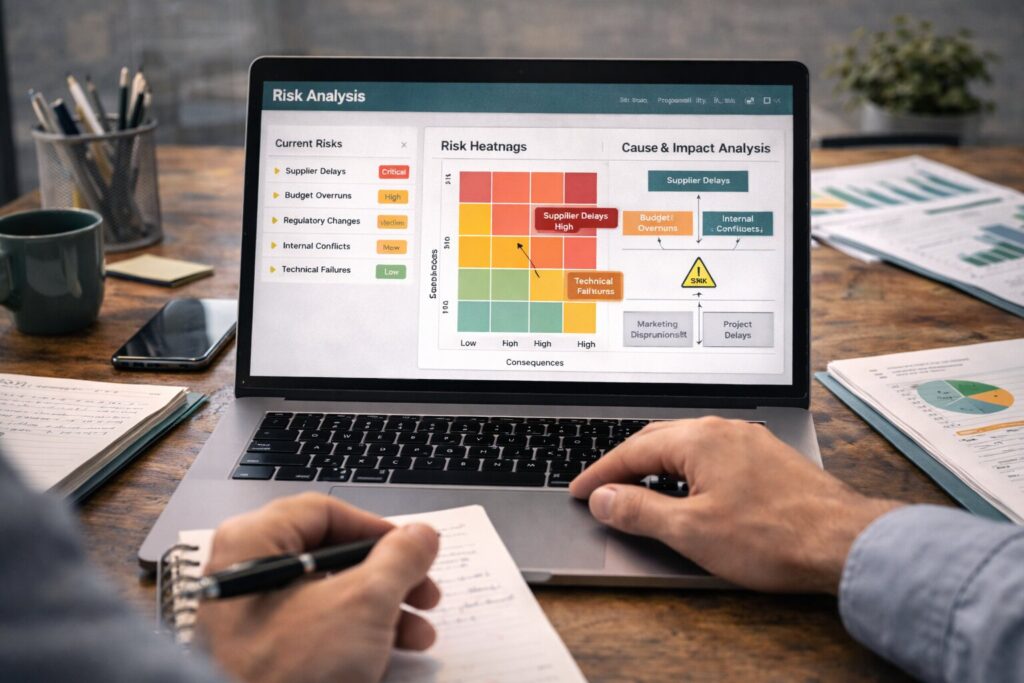
Digital platforms enable real-time tracking and visualization. Interactive dashboards allow users to explore data dynamically.
However, technological sophistication must be matched with clarity. Overly complex visualizations reduce accessibility.
Training sessions on interpreting dashboards strengthen competence and confidence. Technology should empower, not overwhelm.
Sustaining long-term KPI engagement
Sustained engagement requires periodic review of relevance. As strategy evolves, indicators may need adjustment.
Retiring outdated KPIs prevents clutter. Introducing new metrics should be accompanied by clear explanation.
Embedding KPI discussions into strategic planning cycles ensures continuity. Metrics remain dynamic tools rather than static artifacts.
Ultimately, KPI engagement transforms performance measurement from passive reporting into active management. When metrics are aligned, owned, discussed, and refined, they become catalysts for improvement.
Organizations that cultivate strong KPI engagement create cultures of accountability and transparency. Performance indicators then serve their intended purpose: guiding action and reinforcing strategic intent.

Lina Mercer
Lina Mercer is a technology writer and strategic advisor with a passion for helping founders and professionals understand the forces shaping modern growth. She blends experience from the SaaS industry with a strong editorial background, making complex innovations accessible without losing depth. On TheGrowthIndex.com, Lina covers topics such as business intelligence, AI adoption, digital transformation, and the habits that enable sustainable long-term growth.