
Home » Alle berichten » AI » Understanding chaton vs ChatGPT to choose the right AI assistant for your workflow
Understanding chaton vs ChatGPT to choose the right AI assistant for your workflow
AI assistants are becoming essential tools for research, writing, productivity and communication. When comparing chaton vs ChatGPT, the real question is how each tool fits different workflows rather than which one is universally better. Both models help you work faster, organize information and generate content, but they differ in capability, depth, accuracy and flexibility. This article explores those differences in practical detail so you can choose the tool that truly aligns with how you work and what you need to achieve.

In short:
Chaton vs ChatGPT is a comparison of simplicity versus power: one focuses on accessible AI features, the other on advanced reasoning and adaptability.
Chaton works well for quick queries, simple tasks and mobile-focused interactions.
ChatGPT offers stronger reasoning, creativity, long-form writing and tool-specific integrations.
Price, data policies and interface experience vary significantly between the two.
TheGrowthIndex.com recommends selecting the tool that matches your workflow complexity rather than following general popularity trends.
What chaton vs ChatGPT really means in practice
When comparing chaton vs ChatGPT, you might assume both are variations of the same concept: conversational AI. But the differences become clear as soon as you consider the scope of tasks you want to automate.
Chaton is positioned as a widely accessible mobile-first AI assistant focused on affordability and ease of use. It provides simple text generation, basic reasoning and image tools. It helps with lightweight tasks that don’t require deep logic or domain-specific knowledge.
ChatGPT, on the other hand, supports high-level reasoning, advanced content creation, data interpretation, structured output formats and integration with external tools. It provides stronger context retention and allows you to handle complex workflows such as research, planning and technical writing.
Understanding these distinctions makes it easier to decide which tool fits your needs.
Core differences between chaton vs ChatGPT
Capability depth
Chaton delivers essential AI features that serve everyday tasks. It can summarize content, draft simple messages and generate brief ideas. For users seeking basic support, this can be enough.
ChatGPT offers significantly stronger analytical and generative capabilities. It handles complex prompts, long documents, layered logic and detailed instructions. If your work depends on accuracy, nuance or domain expertise, ChatGPT provides a more reliable foundation.
Context management
Chaton tends to handle short interactions well but struggles with very long or multi-layered context.
ChatGPT maintains coherence across extended conversations, supports document uploads and adapts to long-term instructions. It is designed for workflows that require memory-like behavior and deep contextual understanding.
Creativity and structure
Chaton is good for generating straightforward responses, simple ideas and casual content.
ChatGPT excels in structured writing, long-form content, step-by-step guides, strategic analysis and creative problem-solving. When you need polished outputs ready for publication or internal documentation, the difference becomes immediately noticeable.
Also interesting


Use cases where chaton vs ChatGPT produces different outcomes
Writing and editing
Chaton helps with:
drafting short replies
generating captions
simple rewriting
ChatGPT supports:
high-quality long-form writing
detailed editing with tone control
SEO-optimized content
content planning and structuring
When writing requirements intensify, ChatGPT’s strengths become more pronounced.
Research and analysis
Chaton can compile general overviews and summarize simple topics.
ChatGPT produces deeper analysis, structured breakdowns, multi-source reasoning and stepwise explanations. It can also generate frameworks and models used in business or technical environments.
Productivity and workflow support
Chaton focuses on convenience and speed for quick tasks.
ChatGPT supports robust workflows, including:
project planning
brainstorming and strategy design
documentation
code generation
meeting summaries and analysis
If your work involves recurring, detailed tasks, ChatGPT provides more value.
Pricing differences in chaton vs ChatGPT
Both tools offer free tiers, but their pricing philosophies differ.
Chaton highlights affordability and accessibility. Its paid plans unlock features such as image tools and faster responses. For users with lightweight needs, its pricing structure can be attractive.
ChatGPT offers multiple tiers depending on the depth of features you require. Higher-tier versions unlock advanced models, faster performance, better accuracy and integrations.
When choosing between chaton vs ChatGPT, cost should be weighed against the complexity and importance of the tasks you expect the tool to handle.
Accessibility and user experience
Interface
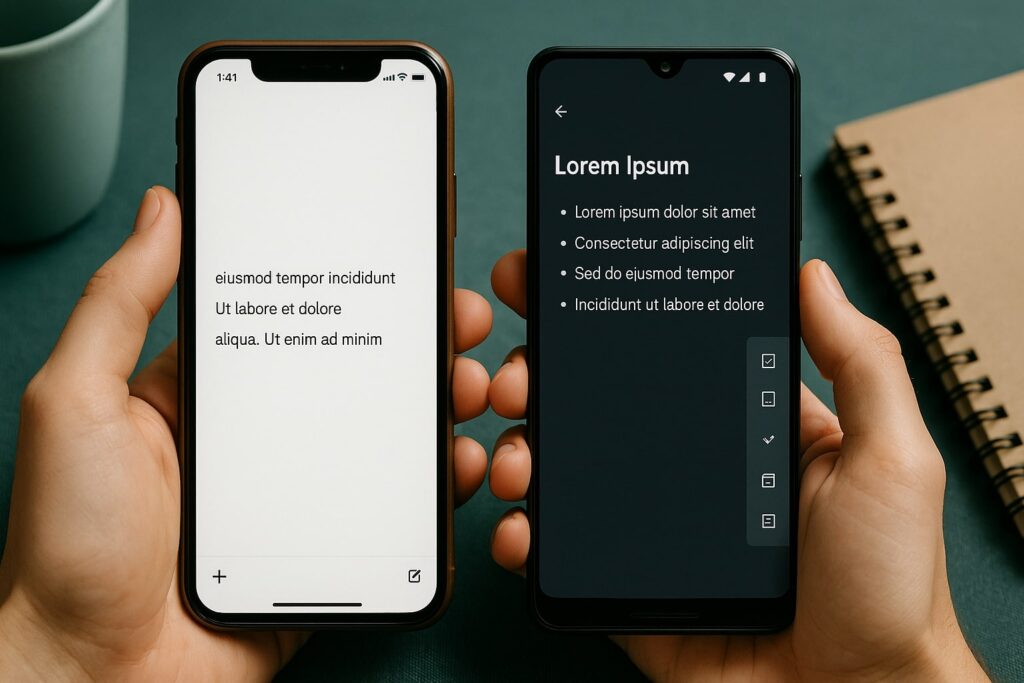
Chaton offers a clean, mobile-first UI often favored by users who rely on quick chats rather than structured work sessions.
ChatGPT provides a workspace designed for longer tasks, including file uploads, project histories and extended conversations.
Customization
Chaton provides templates and guided modes that simplify usage.
ChatGPT offers features like custom instructions, personalized behavior and integration with external services (depending on the version).
Flexibility
Chaton works well as a lightweight digital assistant.
ChatGPT serves as a research tool, writing partner, strategist and creative engine.
“Your AI assistant should fit your workflow, not the other way around.”
How to choose between chaton vs ChatGPT for your workflow
The best way to compare chaton vs ChatGPT is not by popularity or technical specifications alone but by matching capabilities to your real daily activities. Consider the following decision factors.
Task complexity
If your tasks involve routine or short queries, chaton may be sufficient. But if you handle complex problem-solving, creative work or strategic planning, ChatGPT will consistently deliver stronger outputs.
Required accuracy
For tasks where accuracy is essential — financial analysis, business strategy, technical explanations — ChatGPT’s reasoning advantages matter.
Content volume
For long-form writing, documentation or research-heavy work, ChatGPT handles structure and depth more effectively.
Workflow integration
If you want an AI integrated into project management, communication or productivity software, ChatGPT’s wider ecosystem provides more options.
A practical test: comparing chaton vs ChatGPT on the same task
One effective way to determine the best tool for your needs is to run a direct comparison. Choose a task you perform regularly — for example:
“Create a structured plan for launching a digital product within 90 days.”
Chaton may produce a general outline.
ChatGPT can break the plan down into stages, assign timelines, suggest risks, propose KPIs and offer an execution workflow.
Running your own comparison helps you see differences that matter to your exact use case.
Security and data handling in chaton vs ChatGPT
Security policies vary between providers, and this often influences which AI solution an organization can adopt.
Chaton generally positions itself as a consumer tool with simplified policies geared toward everyday use.
ChatGPT provides more detailed data-handling options and enterprise-grade controls for organizations requiring stricter governance, including:
data retention policies
administrative controls
workspace-level permissions
If your environment requires higher security and compliance standards, ChatGPT’s enterprise offerings provide more robust frameworks.
Also interesting



Where chaton vs ChatGPT fits different types of users
Casual everyday users
Chaton may be enough for users who want help with messaging, brainstorming small ideas or asking simple questions.
Students and researchers
ChatGPT often fits better because of its ability to handle academic explanations, logic-heavy reasoning and structured outputs.
Professionals and teams
ChatGPT supports collaborative workflows, long documents, and recurring tasks, making it more suitable for complex environments.
Creators
Writers, marketers and designers often prefer ChatGPT because of its nuanced creative abilities, detailed writing support and ability to adapt to brand tone — something we do at TheGrowthIndex.com regularly.
Step-by-step guide to choosing between chaton vs ChatGPT
If you want a structured approach, follow this process.
Step 1: List your top tasks
Identify the tasks you perform weekly. Examples: writing reports, brainstorming ideas, planning projects, summarizing research.
Step 2: Categorize them by complexity
Group them into:
simple
moderate
advanced
Step 3: Run sample prompts in both tools
Use the same instructions to see how each tool handles the task.
Step 4: Compare output quality
Assess clarity, structure, creativity, depth, accuracy and formatting.
Step 5: Consider workflow integration
Think about how each tool fits with the other tools you already use.
When you follow this process, the right choice becomes clear quickly.
Choosing the best AI tool for long-term productivity
AI is no longer a novelty — it’s an essential companion for modern work. The right tool can significantly amplify your output and reduce repetitive tasks. When comparing chaton vs ChatGPT, the best option depends on whether your priority is simplicity or advanced capability.
Chaton serves users looking for quick answers and basic support.
ChatGPT supports deeper thinking, structured work and sophisticated problem-solving.
The goal is not to choose the most popular tool but the one that multiplies your effectiveness.

Lina Mercer
Lina Mercer is a technology writer and strategic advisor with a passion for helping founders and professionals understand the forces shaping modern growth. She blends experience from the SaaS industry with a strong editorial background, making complex innovations accessible without losing depth. On TheGrowthIndex.com, Lina covers topics such as business intelligence, AI adoption, digital transformation, and the habits that enable sustainable long-term growth.