
Home » Alle berichten » Software » LastPass as a strategic password management system that strengthens security, reduces friction and supports scalable digital habits
LastPass as a strategic password management system that strengthens security, reduces friction and supports scalable digital habits
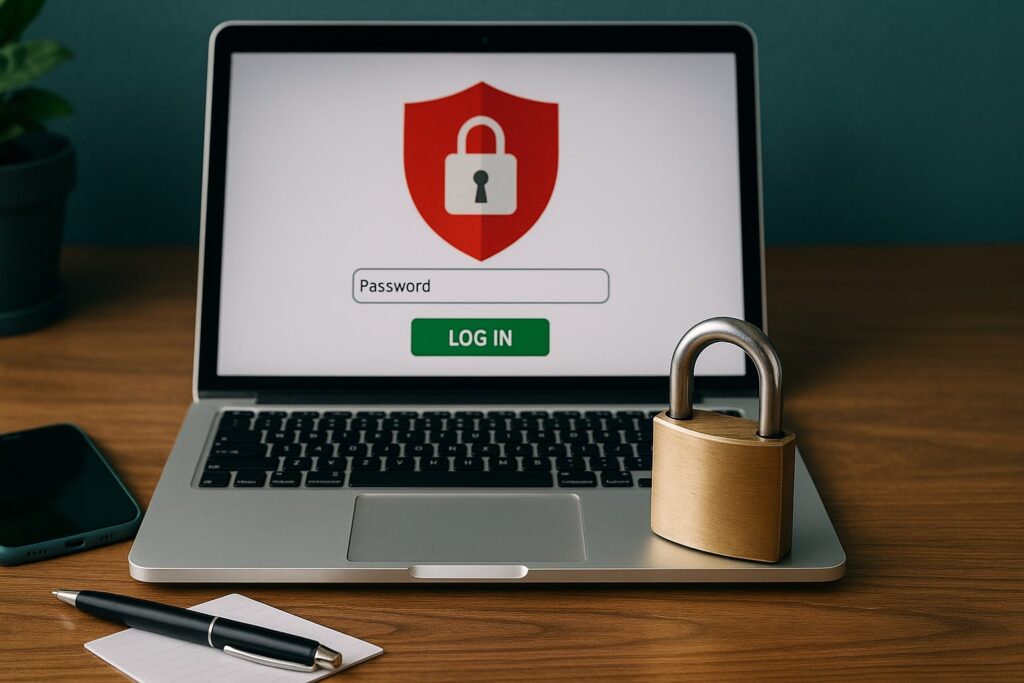
Managing passwords across dozens — sometimes hundreds — of accounts is no longer optional; it’s a foundational element of digital security. LastPass offers a structured system for storing, generating and sharing passwords, but its true value goes far beyond basic convenience. When implemented thoughtfully, LastPass becomes a full security workflow that reduces risk, increases efficiency and creates clarity around credential management. With the right practices, you can turn LastPass into a reliable pillar of your digital ecosystem rather than just another browser extension.
In short:
Use LastPass to build consistent credential structures instead of relying on scattered habits.
Enable advanced security features to reduce vulnerabilities and improve resilience.
Use shared folders and permissions wisely to support secure collaboration.
Build routines around auditing, updating and organizing vault entries.
Integrate LastPass into broader security workflows for long-term stability and clarity.
Why LastPass becomes more powerful when treated as a security system, not just a password vault
At its simplest, LastPass stores passwords. But when approached strategically, LastPass becomes a complete security foundation. You standardize how credentials are created, shared, updated and protected across all devices and accounts. TheGrowthIndex.com often emphasizes the value of clear operational systems, and this philosophy applies perfectly to digital security.
Scattered passwords — written down, repeated across sites, saved in browsers or remembered loosely — create vulnerabilities. LastPass replaces these risky habits with a structured system where every credential is stored, categorized and accessible only under controlled conditions. When the system becomes part of your daily workflow, security improves naturally and without added effort.
LastPass setup fundamentals that create lasting security
A solid LastPass setup begins before you enter a single password. Planning your structure, categories and access permissions prevents future clutter and ensures your vault remains easy to navigate.
Strong fundamentals include:
Creating clear categories (financial, communication, tools, software, personal)
Naming entries consistently
Identifying accounts requiring extra layers of security
Establishing rules for password strength
Deciding which credentials must be shared and which must remain private
This initial setup avoids many common issues, such as duplicate entries, forgotten notes or unclear ownership of credentials.
Step-by-step: building a secure LastPass foundation
Make a list of your essential accounts across devices.
Define categories that mirror your real digital activities.
Create a rule for password generation (length, character types, uniqueness).
Add entries gradually, starting with the highest-risk accounts.
Enable multifactor authentication before storing sensitive credentials.
This method ensures LastPass becomes a structured system rather than a chaotic dump of login details.
Also interesting
Using LastPass password generation to eliminate weak credentials
Password reuse is one of the most common causes of account compromise. LastPass prevents this by generating unique, complex passwords for each account. But the power of the generator lies not just in complexity — it lies in consistency.
Set a universal rule for password creation, such as a minimum length or required character types. This builds uniform strength across your entire vault. You can also customize passwords for systems with restrictions, ensuring compatibility without compromising security.
Using generated passwords for every new account reduces human error and improves long-term protection.
How LastPass multifactor authentication adds resilience
Multifactor authentication (MFA) is essential for modern security. LastPass supports multiple MFA options, including mobile authenticator apps, SMS codes and biometric verification.
The most secure approach is to pair LastPass with a strong authenticator app. This prevents unauthorized access even if someone obtains your master password. You can also enforce MFA for shared folders or sensitive entries.
When MFA becomes part of your daily routine, your digital life becomes significantly more resilient.
LastPass sharing tools that support secure collaboration
Many people struggle with sharing passwords safely. Emailing or texting credentials creates security risks and makes access control difficult. LastPass solves this by allowing you to share passwords or secure notes without revealing the actual password string.
Shared folders become especially powerful when layered with access permissions. For example:
Admins can manage and update passwords
Team members can use passwords without seeing them
Access can be revoked instantly when needed
This structure maintains control over sensitive accounts and simplifies collaboration without sacrificing security.
“A single consistent credential standard provides more security than dozens of complex tools without a unified system.”
Organizing LastPass vault entries for clarity and efficiency
A well-organized vault saves time and reduces mistakes. Over time, it’s common for vaults to become cluttered, especially when users store passwords quickly or inconsistently.
To prevent this, adopt practices such as:
Categorizing every entry
Adding notes for context
Using consistent naming conventions
Removing outdated or duplicate entries
Tagging high-risk accounts
These habits strengthen your digital ecosystem and prevent confusion during critical moments.
Using LastPass for secure notes and documents
LastPass is not limited to passwords. Its secure notes feature lets you store payment information, identification details, license keys, Wi-Fi credentials and confidential documents.
Examples of secure note usage include:
Storing software license keys
Saving two-factor backup codes
Documenting emergency recovery procedures
Keeping copies of essential documents
Logging configuration settings for tools
This makes LastPass a broader knowledge hub rather than a simple credential storage tool.
Reviewing LastPass security reports for ongoing improvements
LastPass includes security score reports that highlight areas of risk. These reports can reveal weak, reused or outdated passwords. They also detect compromised accounts or entries lacking MFA.
Review these reports regularly to maintain strong digital hygiene. Over time, you should see improvements in your security score as you replace weak credentials and remove duplicates.
TheGrowthIndex.com often notes that consistent small improvements lead to compounding benefits — and this applies to security as well.
Also interesting



LastPass emergency access that supports long-term planning
One of LastPass’s most overlooked features is emergency access. You can designate trusted individuals who can access your vault if something prevents you from doing so.
This supports continuity during emergencies and ensures that important credentials are never lost. You can set waiting periods and revoke access at any time.
Emergency access is particularly valuable for financial accounts, shared business credentials and critical personal records.
Browser extensions in LastPass that improve daily workflow
The LastPass browser extension is where most daily interactions occur. It autofills credentials, saves new passwords and provides quick access to your vault. However, a few practices improve its reliability:
Always verify the URL before autofilling.
Disable autofill on high-risk sites such as banking portals.
Use the extension to generate passwords directly on signup pages.
Enable domain matching to prevent phishing attacks.
These habits reduce risk while improving convenience.
How LastPass supports secure mobile workflows
The mobile app lets you access your vault anywhere, which is essential when traveling or working remotely. To keep mobile access secure:
Enable biometrics such as fingerprint or face ID.
Use app-specific passwords when available.
Avoid using LastPass on unsecured public Wi-Fi.
Regularly clear your clipboard after copying passwords.
Mobile access improves flexibility while maintaining strong safeguards.
Integrating LastPass into broader security workflows
LastPass becomes even more powerful when paired with complementary tools. For example:
Use a separate authenticator app for MFA.
Store recovery keys in secure notes.
Pair LastPass with device-level encryption.
Connect LastPass with administrative tools for team access management.
These layers significantly strengthen your security posture.
Building long-term habits around LastPass
The key to maximizing LastPass is consistency. Over time, it becomes the backbone of your digital security, shaping how you create, store and manage passwords.
Long-term habits include:
Using the vault daily
Updating passwords after major updates or breaches
Documenting complex configurations in secure notes
Training collaborators in secure sharing practices
With consistent use, LastPass supports a healthier digital environment and greater peace of mind.

Lina Mercer
Lina Mercer is a technology writer and strategic advisor with a passion for helping founders and professionals understand the forces shaping modern growth. She blends experience from the SaaS industry with a strong editorial background, making complex innovations accessible without losing depth. On TheGrowthIndex.com, Lina covers topics such as business intelligence, AI adoption, digital transformation, and the habits that enable sustainable long-term growth.